A Short History of Ju-Jitsu in the West
Ju-Jitsu, often called the gentle art, made its way from Japan to Europe and America in the early 20th century. While the art itself has centuries-old roots among the samurai, its Western story begins with exhibitions, challenges, and cultural exchange.
The Paris Sensation of 1905
One of the most famous early demonstrations took place in Paris in 1905. Professor Ré-Nié, a Ju-Jitsu expert, faced Georges Dubois, a French boxer and fencer. The bout ended in under 30 seconds, with Ju-Jitsu emerging victorious. This single contest sparked enormous curiosity across Europe, drawing the attention of athletes, police forces, and the general public.
Early Spread Across Europe and America
Following that match, Ju-Jitsu schools began to appear in major European cities. In London, it was introduced to the public as both a self-defense system and a scientific way to use balance and leverage rather than brute strength. In the United States, Japanese masters such as Kiyose Nakae taught Ju-Jitsu to police departments and private students, adapting techniques to urban self-defense needs.
By the 1920s, Ju-Jitsu was included in training programs for soldiers and law enforcement, valued for its efficiency in subduing opponents without weapons. Its reputation as a practical, non-brutal art made it appealing in a Western world fascinated with physical culture and personal defense.
Influence on Western Martial Arts
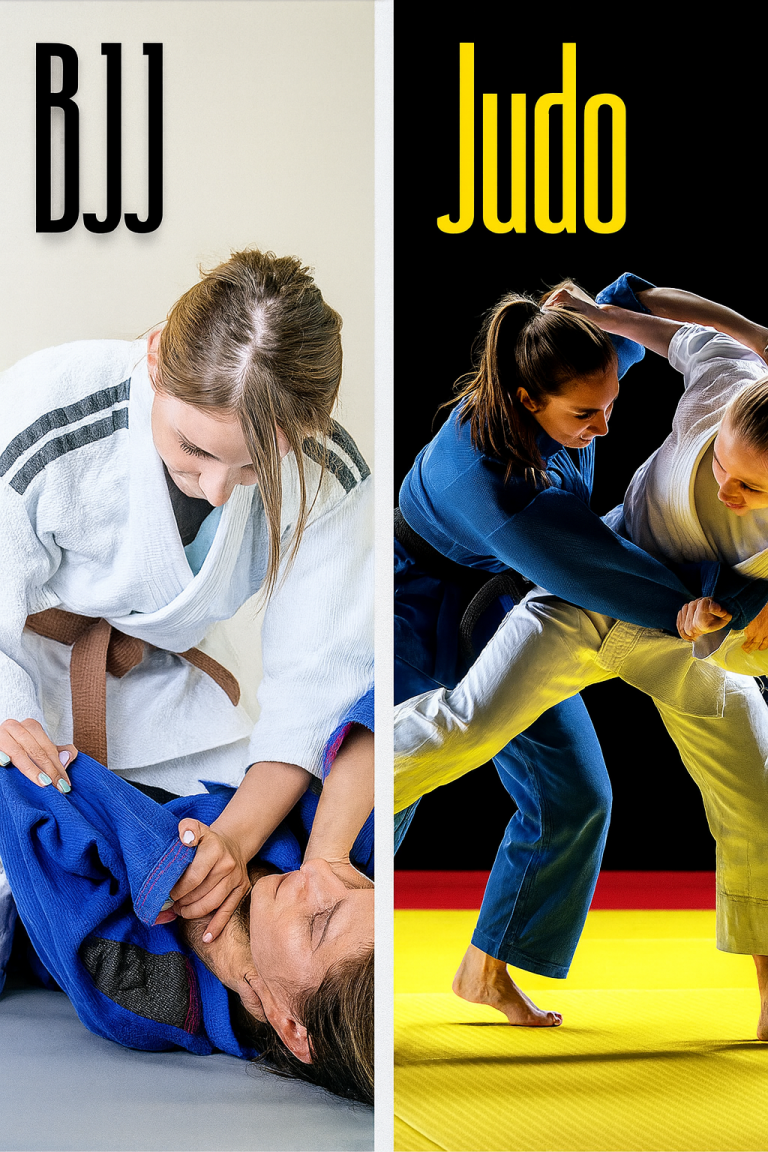
Ju-Jitsu didn’t remain unchanged in its Western journey. Dr. Jigoro Kano’s Kodokan Judo, a safer and more sportive version of Ju-Jitsu, became widely adopted worldwide after 1882 and influenced Olympic martial arts. Later, Brazilian Jiu-Jitsu (BJJ), developed by the Gracie family, transformed the art further, focusing heavily on ground fighting and submission techniques.
Thus, Ju-Jitsu’s legacy in the West is twofold: it provided a foundation for modern combat sports while also serving as a self-defense system integrated into police and military training.
Ju-Jitsu Today in the West
In the 21st century, Ju-Jitsu is practiced globally as both a traditional martial art and a modern sport. While Brazilian Jiu-Jitsu dominates competitive grappling, traditional Japanese Ju-Jitsu schools still teach the classical techniques that once amazed European audiences. For many, Ju-Jitsu is more than fighting—it is a path toward discipline, confidence, and lifelong fitness.